


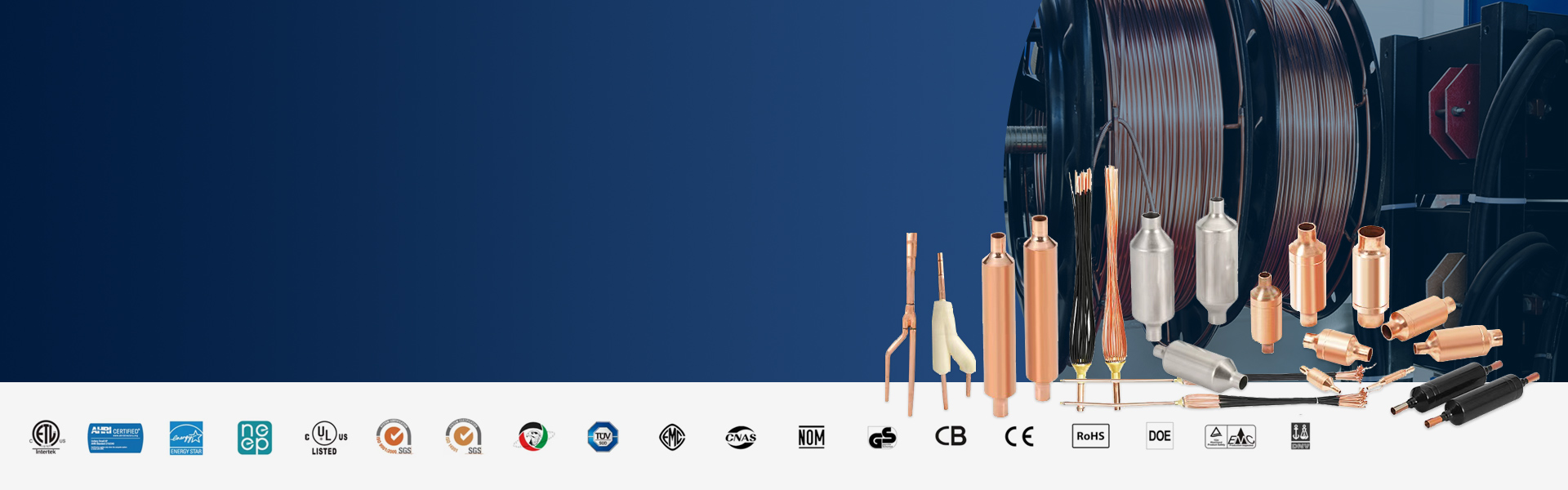
Air Conditioner Copper Fittings
excellent corrosion resistance and malleability) that join copper pipes, valves, or equipment in air conditioning (AC) systems.
Their core role is to ensure tight, leak-proof connections for refrigerant circulation—critical for maintaining the
AC system’s cooling efficiency, preventing refrigerant loss (which harms performance and the environment),
and ensuring long-term operational safety.

- Air Conditioner Copper Fittings
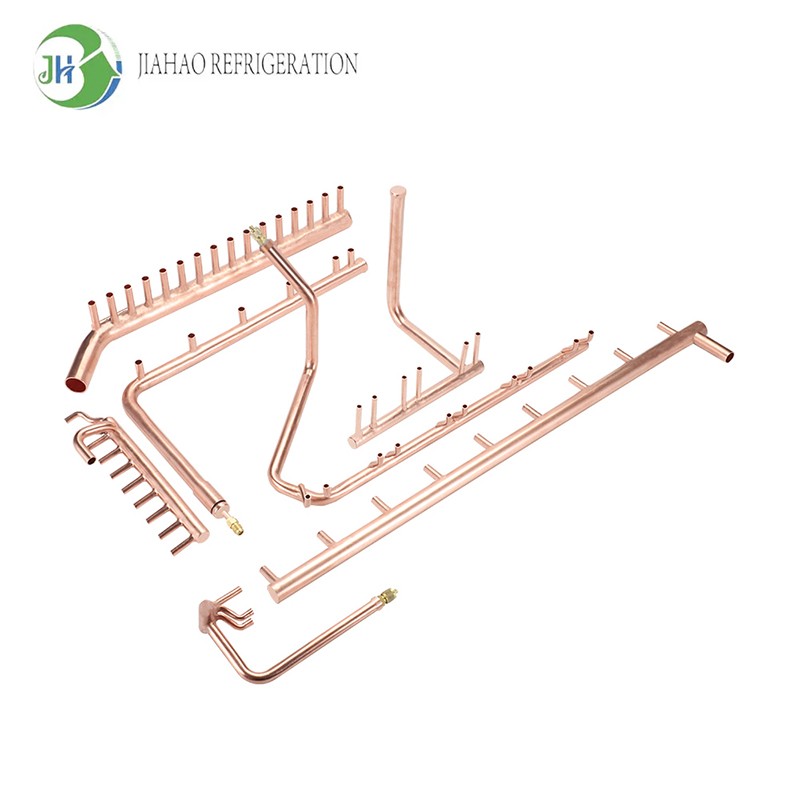 HVAC Copper Pipe Fitting Components
Tube type module also know as circular tube membrane module,is a tubular membran...
Read More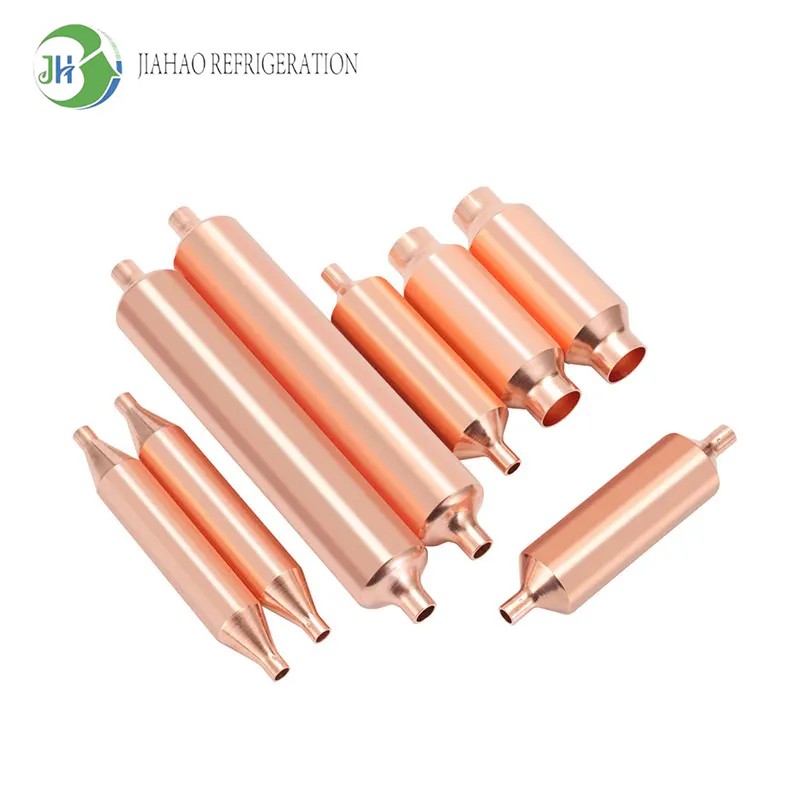 HVAC Refrigeration Copper Filter Drier
As a professional filter drier manufacturer, Jiahao Tech provides high-performan...
Read More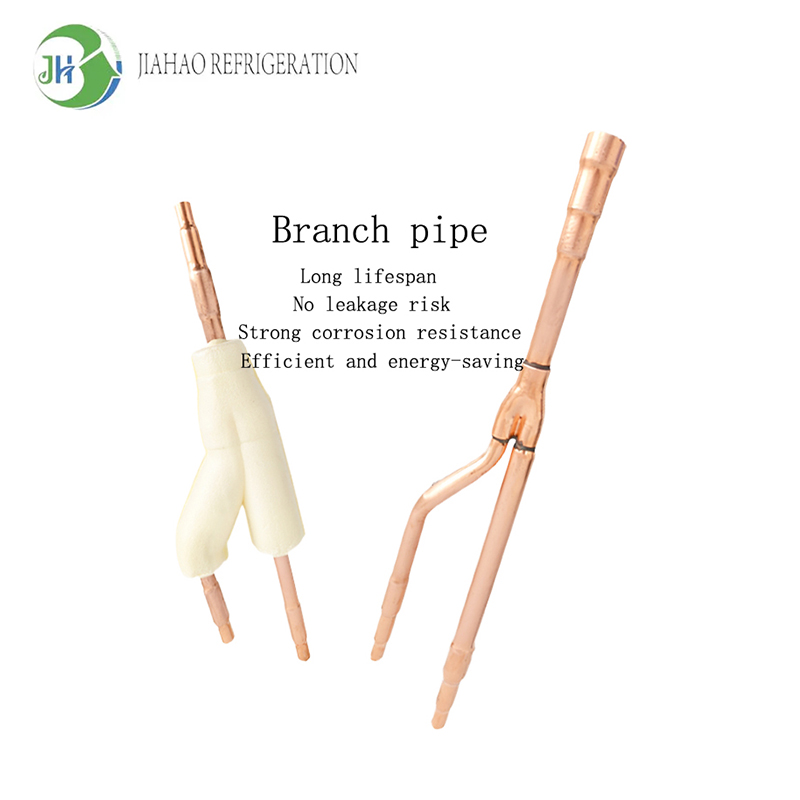 HVAC Copper Branch Joint
Distribute refrigerant from one outdoor unit to multiple indoor units
Read More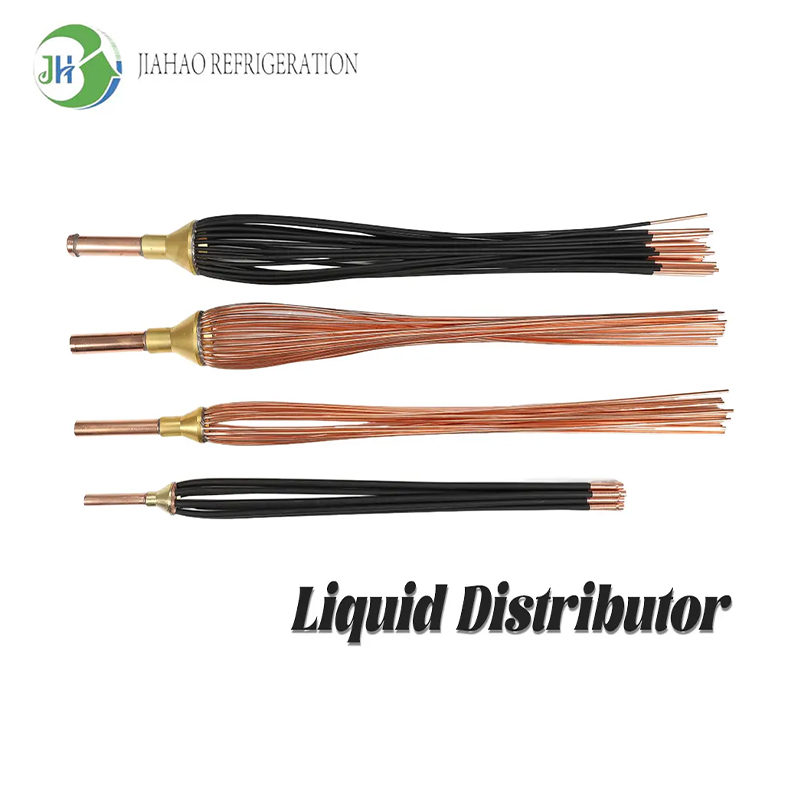 Air Conditioner Liquid Refrigerant Distributor Dispenser
JIAHAO Liquid Refrigerant Distributor is a critical component designed to precis...
Read More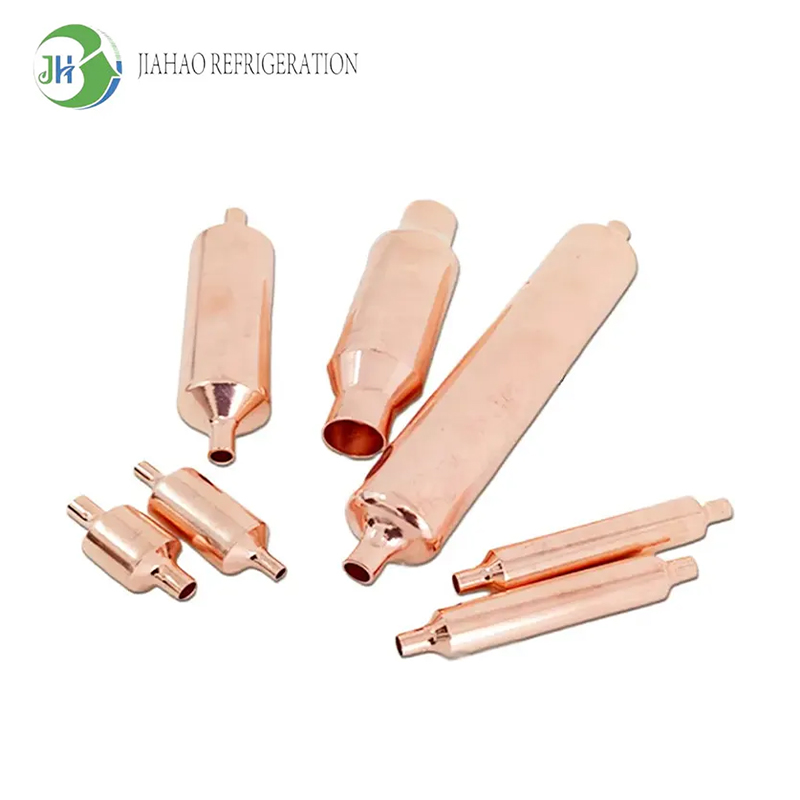 HVAC Copper Pipe Muffler Silencer
• Copper silencers, through their special design and material selection, can eff...
Read More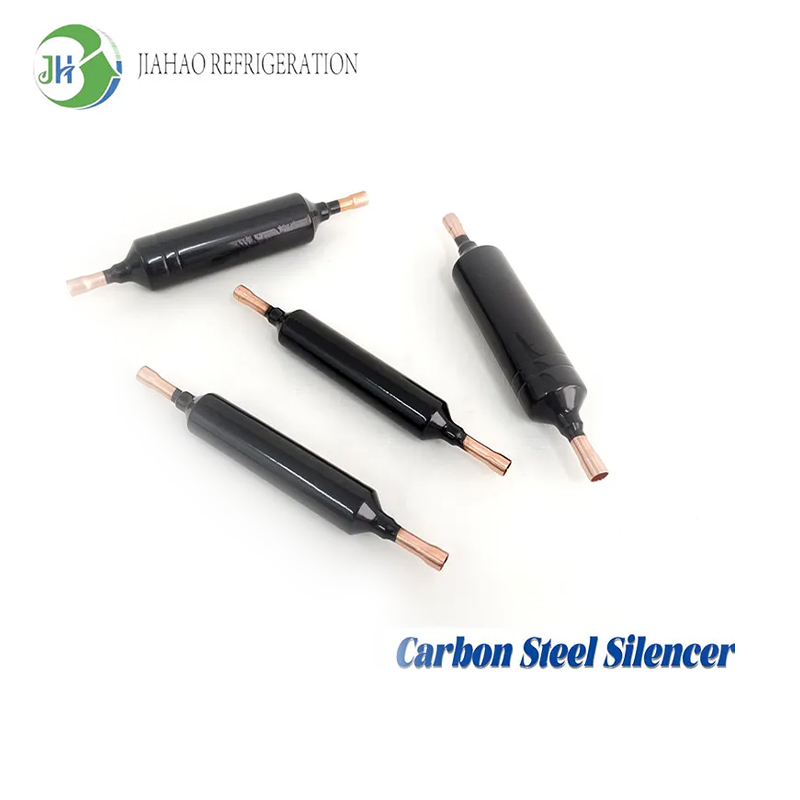 HVAC Carbon Steel Pipe Muffler Silencer
• It is made of carbon steel material, which has excellent noise reduction effec...
Read More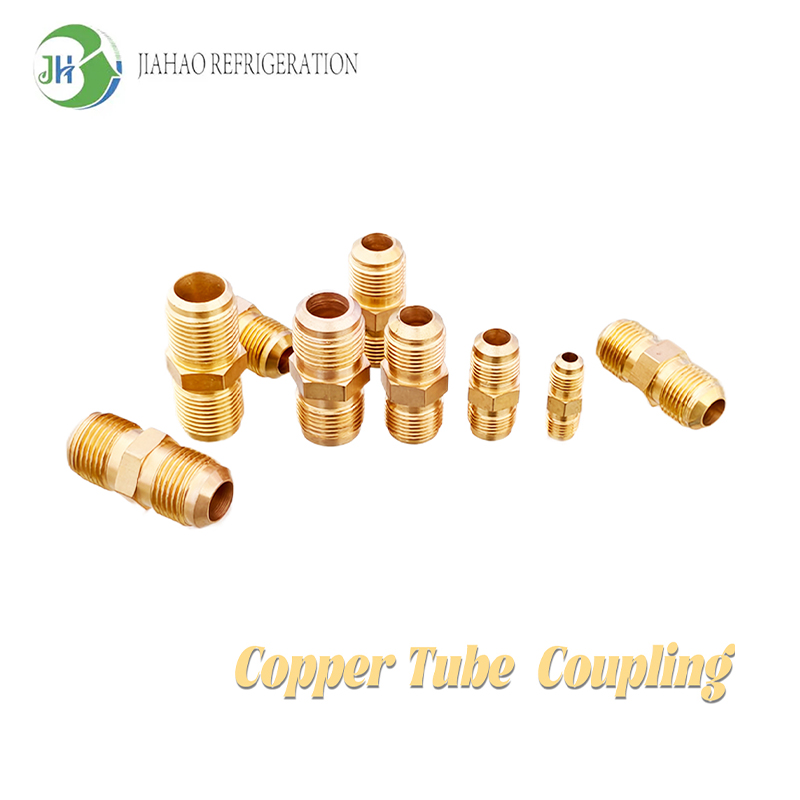 HVAC Copper Tube Coupling
Multiple specifications and choicesBrass material, leading technology, innovativ...
Read More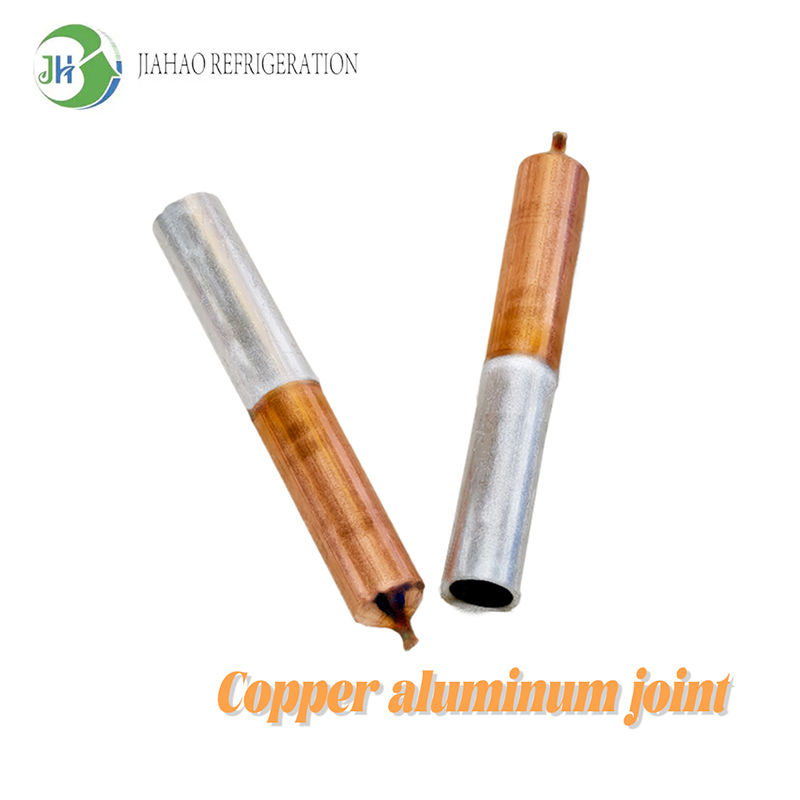 Copper Aluminum Joint
Thick purple copperThisk aluminum material
Read More
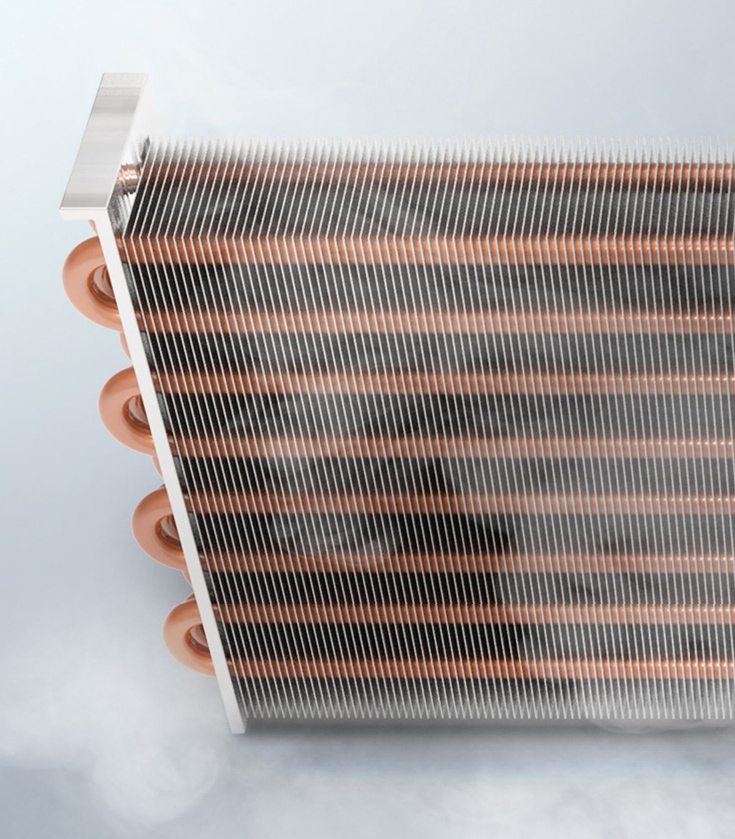
Key Performance Characteristics
High Pressure Resistant The best quality copper fittings (ex, ASTM B88) are used, which can endure high pressure of AC refrigerant cycles(usually 200–500 psi during AC operation and, in the worst-case scenario, even higher).
Thermostatic Copper possesses one of the lowest thermal expansion and contraction rates, providing a tight seal throughout temperature and pressure cycles, including outdoor heat and indoor cooling.
Flexibility Forms easily to shape (bump, bend, flare), which enables low stress installation without excessive fitting strain and consequently also saves the leak points.
Installation Best Practices
 Match Fitting Size to PipeIf you use a fitting that is too small, the copper fitting will not fit on the pipe, and if it is too large, you can break the seal, so always confirm size with valve or pipe(e.g., "3/8" OD" for outer diameter).
 Properly Flared (for Flare Fittings)To achieve a leak-tight seal, a top-quality flaring tool is required to create a uniform and spiral-free flare (no visible cracks or imperfections). A weak flare will still leak if you tighten it as much as you can.
 Proper Soldering(For Sweat fittings) Clean pipe / fitting surfaces using sandpaper (remove oxidation), apply flux (stops oxidation while heating), and distribute heat evenly to prevent over-heating (weakening of copper).
 Leak TestOnce it’s installed, the system should be pressurized with nitrogen (or use a refrigerant leak detector) to see if it leaks – never skip this step (any leak, even a small one, will reduce system efficiency 10–20% over time).
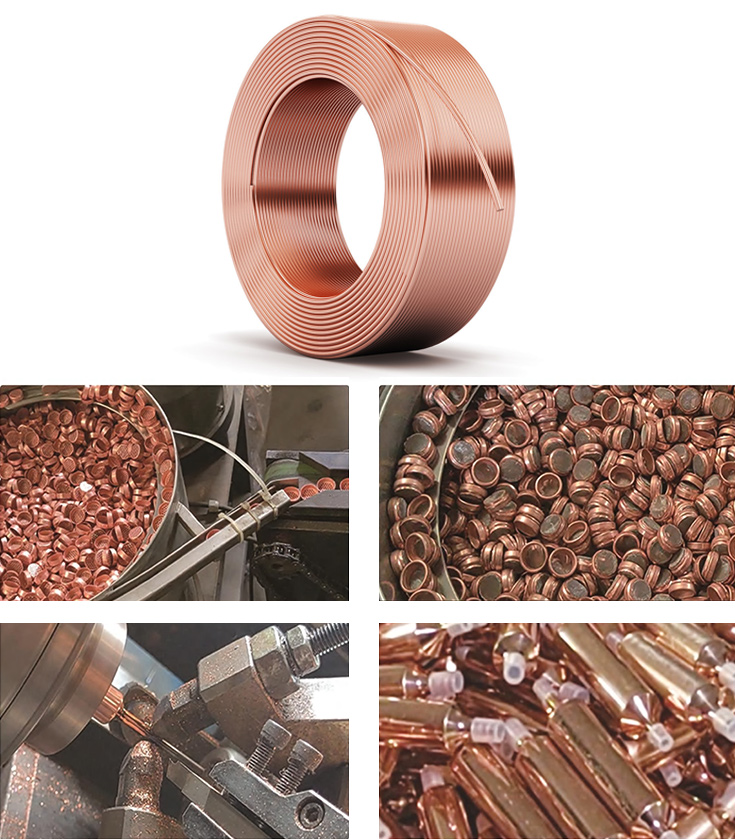
Customize cooling solutions to meet your every need.
We have established a professional engineering and technology R&D center equipped with over 10 automated production lines to ensure efficient production.
Simply share your ideas with us.
Air Conditioner Copper Fittings from Jiahao
As a diversified manufacturing enterprise, we specialize in the professional design, research, development, manufacturing, and comprehensive sales service of refrigeration solutions.
With a workforce of over 120 skilled employees, we operate 6 workshops spanning 25,000 square meters, equipped with more than 10 automated production lines for efficient output.
 High-quality products with a 3-year warranty and triple compensation for any failure.
 High cost-performance ratio, competitive pricing among products of similar quality.Strong product expertise, market and application understanding, and expert advice.Short delivery time: 20-30 days for custom products and 7-15 days for in-stock products.Customized packaging, free design available.Product certificates, complete test reports, and over 50 invention and technology patents.Payment method: T/T (30%), pre-shipment payment accepted for long-term customers.
 Brand OwnersUnderstand their brand information and philosophy.
Assign a specialist to monitor production progress and provide regular reports.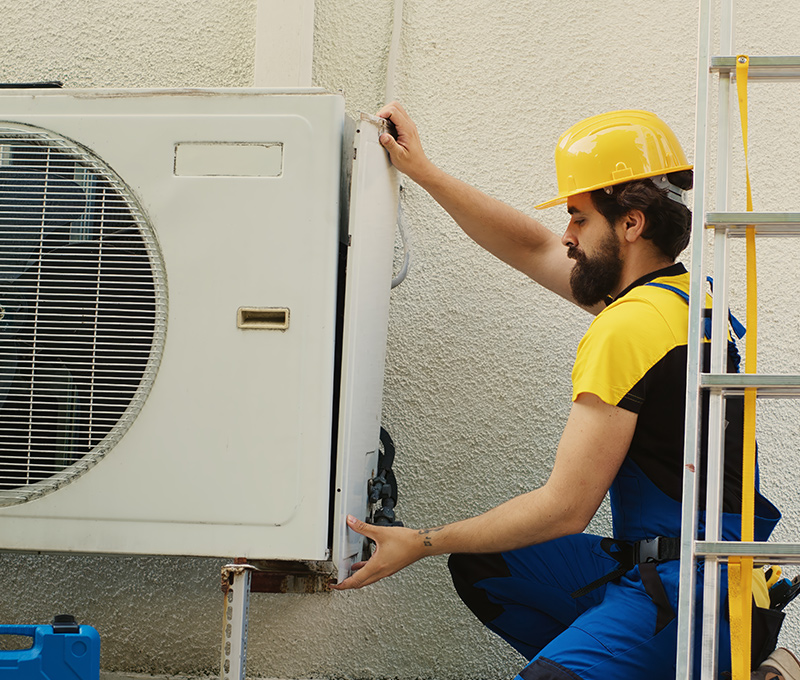 Large InstallersObtain project information and progress.
Create a supporting list and services based on the project situation.
Provide as complete a package as possible. DistributorsPrepare inventory on time to help customers expand their market.
Adjust prices, increase production capacity, and ensure quality.
Efficiently handle customer issues and provide service. Online and Offline StoresDetermine a period for achieving a certain total order quantity and offer discounts based on bulk pricing.
Recommend other popular products for bundled purchases.
Compare multiple freight forwarders and choose ours. Amazon e-commercePrepare materials.
Confirm the customer's specific packaging dimensions and produce cartons. Non-target CustomersNever initiate contact; respond passively.
Respond quickly and close deals quickly; avoid lingering.
Cooperation Process

Inquiry

Confirm
Details

Contract
Signing

Order
Production

Quality
Inspection

Safety
Inspection

Package

Shipment

Arrival

Aftermarket Support
Technical Support
FAQ
What are the common materials of home air - conditioner connecting pipes?
The main materials include copper pipes, aluminum pipes, and copper - aluminum connecting pipes. Among them, copper pipes are the mainstream choice due to their optimal corrosion resistance, thermal conductivity, and stability.
Which is better, copper - aluminum connecting pipes or pure copper pipes?
Pure copper pipes have better comprehensive performance, with good aging resistance and being less likely to leak refrigerant, suitable for long - term use; copper - aluminum pipes have lower costs, but the joints are prone to oxidation due to material differences. Good sealing protection is required, and they are more suitable for short - term scenarios or when the budget is limited.
Does the length of the connecting pipe affect the air - conditioning effect?
Yes, it does. Excessive length will lead to increased refrigerant loss and reduced cooling/heating efficiency. Generally, it is recommended not to exceed the maximum allowed length marked by the manufacturer (usually 10 - 15 meters). If exceeded, professional personnel need to adjust the refrigerant amount.
Do connecting pipes need thermal insulation?
Thermal insulation is necessary. Without thermal insulation, cold/heat loss will occur (affecting efficiency), and it may also produce condensed water to damage walls or furniture. Special thermal insulation cotton should be used for wrapping, and the joints should be sealed tightly.
What should be done if the connecting pipe leaks refrigerant?
First, turn off the air - conditioner and contact professional maintenance personnel to detect the leakage point (usually at joints, bends). Replace the damaged pipe section or re - weld and seal. After repair, it is necessary to refill with refrigerant that meets the specifications.
Can connecting pipes be bent during installation?
Moderate bending is allowed, but excessive bending or forming a dead bend should be avoided, otherwise it will lead to pipe blockage and poor refrigerant circulation. The recommended bending radius should not be less than 5 times the diameter of the pipe.
How often does the connecting pipe need to be replaced?
If properly maintained (no corrosion, no leakage), pure copper pipes can be used for 10 - 15 years; the service life of aluminum pipes or copper - aluminum pipes is relatively short. Generally, inspection is required every 5 - 8 years, and they should be replaced in a timely manner when oxidation, bulging, or leakage occurs.
Will the exposed part of the connecting pipe be damaged in rainy days?
Pure copper pipes used outdoors need to be properly rust - proof (such as painting with anti - rust paint). Aluminum pipes are prone to oxidation and corrosion by rainwater. It is recommended to additionally wrap the exposed section with a waterproof and thermal insulation layer, or try to avoid the connecting pipe being exposed outdoors for a long time.


