


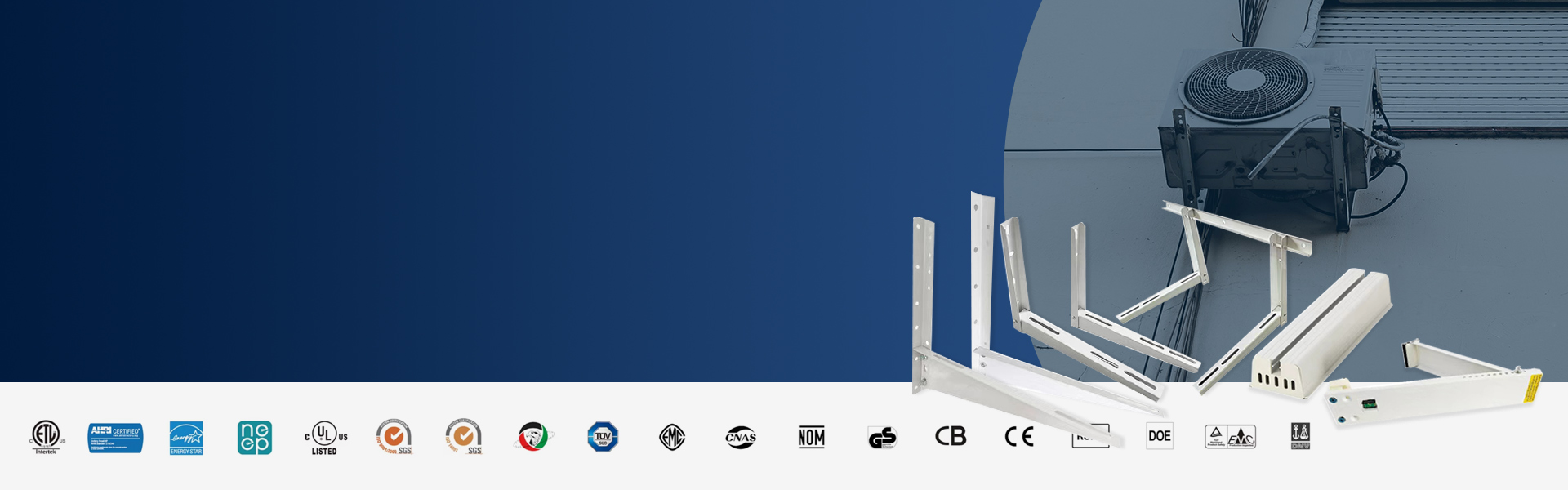

Air Conditioner Outdoor Unit Bracket
Its key functions include:
① Elevating the unit to protect it from ground water, moisture, and debris, thereby extending its service life.
②Reducing vibration transmission to minimize operational noise.
③ Facilitating better airflow around the unit to aid heat dissipation and maintain efficiency.
④ Providing adjustable leveling on uneven surfaces to prevent stress and damage to the unit.
For unparalleled durability and performance, choose JIAHAO's professionally engineered brackets!

- Air Conditioner Outdoor Unit Bracket
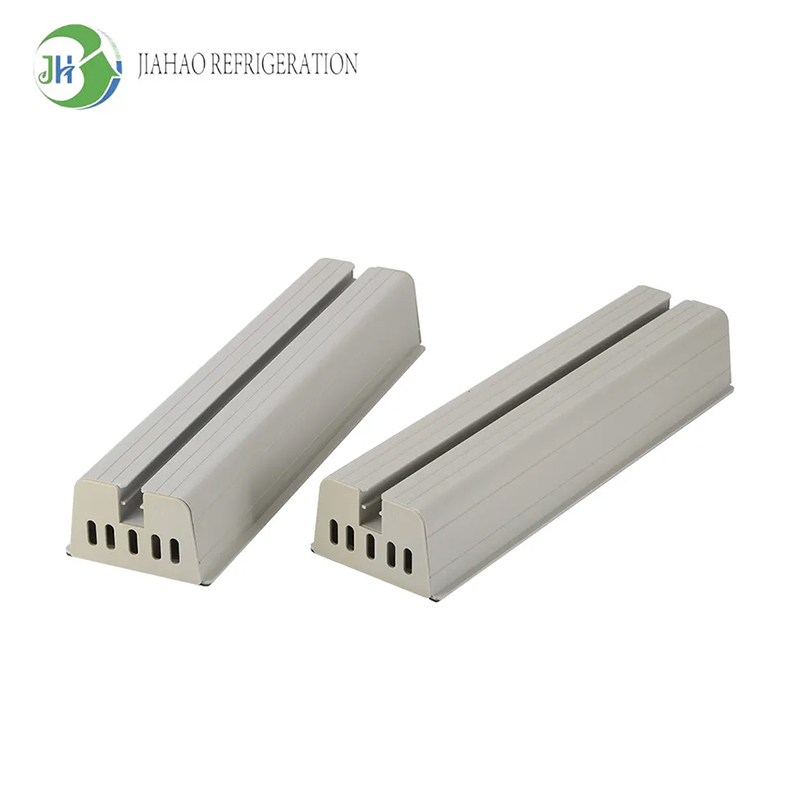 Air Conditioner PVC Floor Standing Bracket
• Item Name: JHF8• Material: Hot rolled plate (can customize)• Size: (can custom...
Read More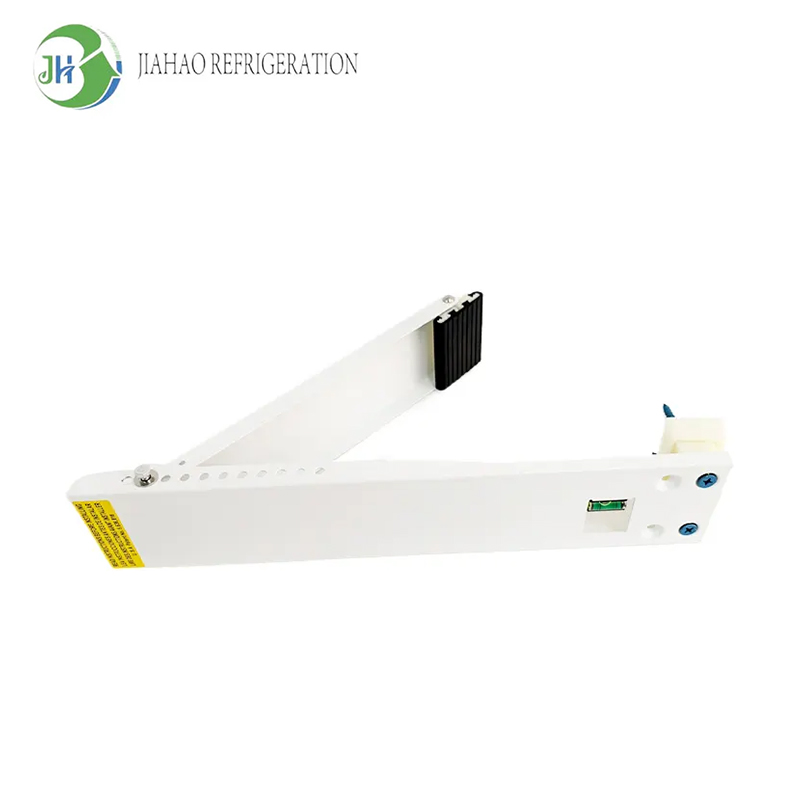 Split Air Conditioner Outdoor Window Unit Bracket
• Item Name: JHWB• Material: Hot rolled plate (can customize)• Size: (can custom...
Read More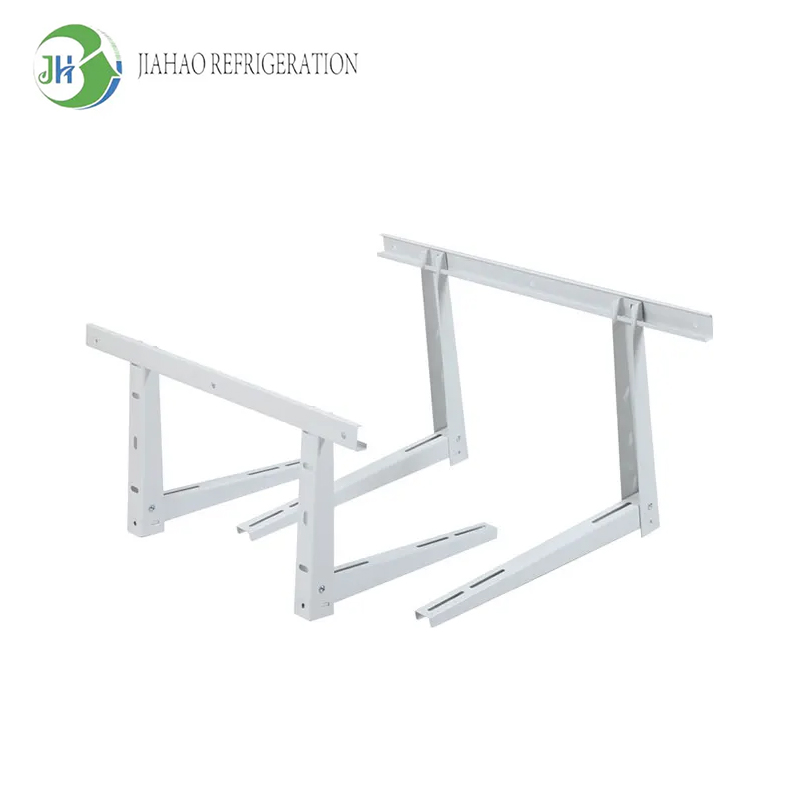 Air Conditioner Outdoor Unit Wall Bracket
· Item Name: JHOB· Material: Hot rolled plate (can customize)· Size: (can custom...
Read More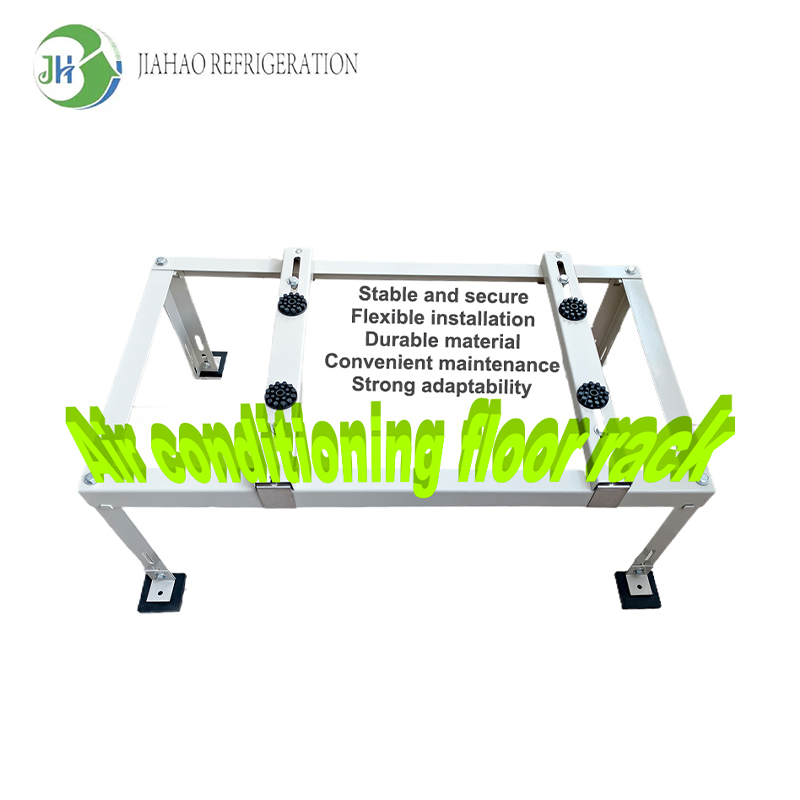 Air Conditioner Floor Rack
· Use 2mm galvanized steel sheet.· Porcus design can adjust height according to ...
Read More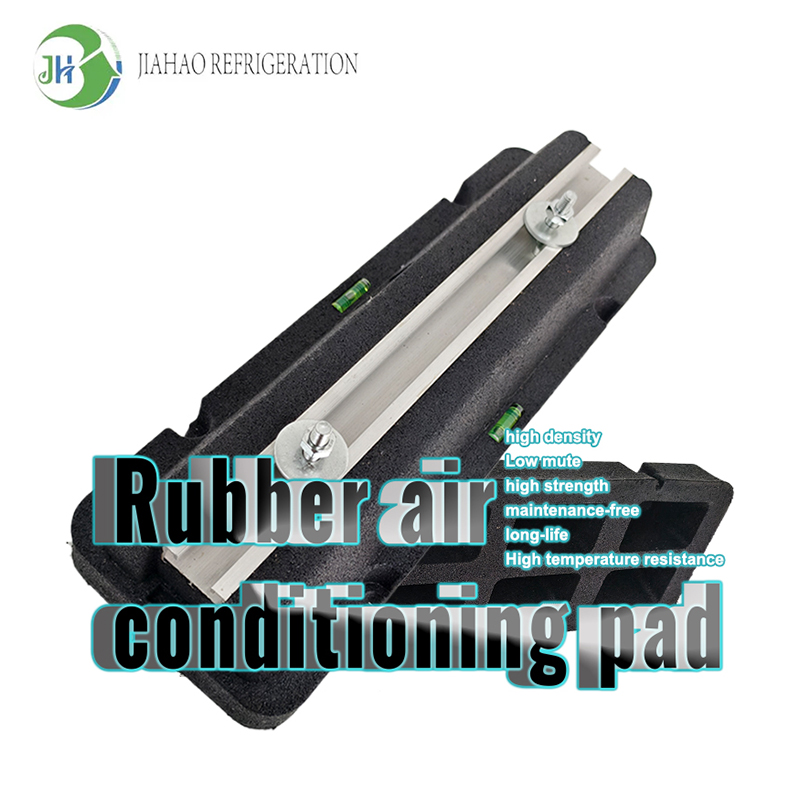 Rubber Condenser Pad For Outdoor AC Unit
· Material: Using high-quality rubber particles and highly adhesive glue for ext...
Read More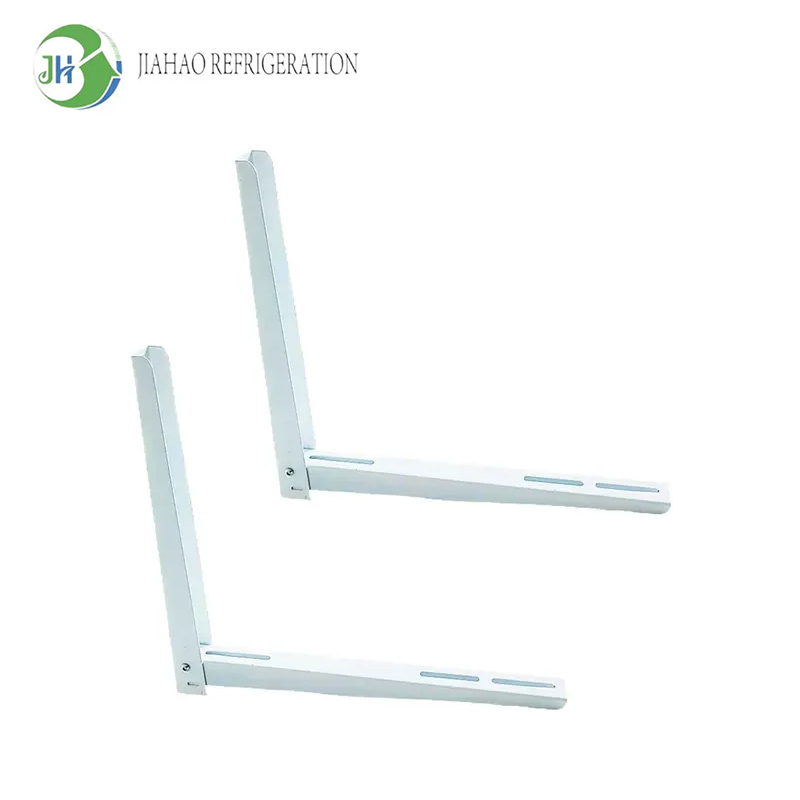 Air Conditioner Duty Foldable Support Bracket
Item Name: JH-134Material: Hot rolled plate (can customize)Size: (can customize)...
Read More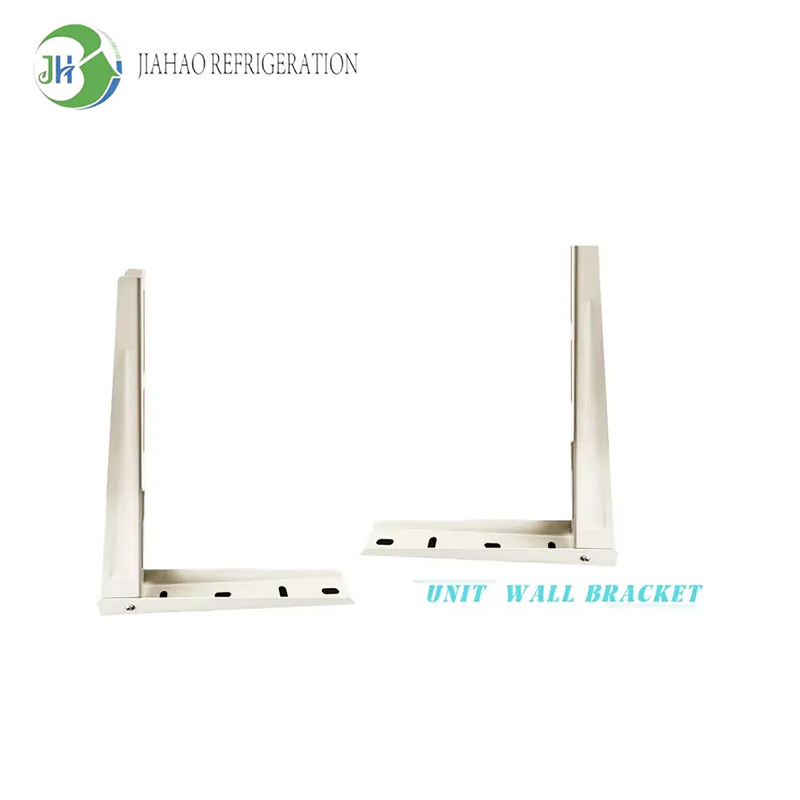 Air Conditioner Folding Support Bracket
Item Name: JH-109Material: Hot rolled plate (can customize)Size: (can customize)...
Read More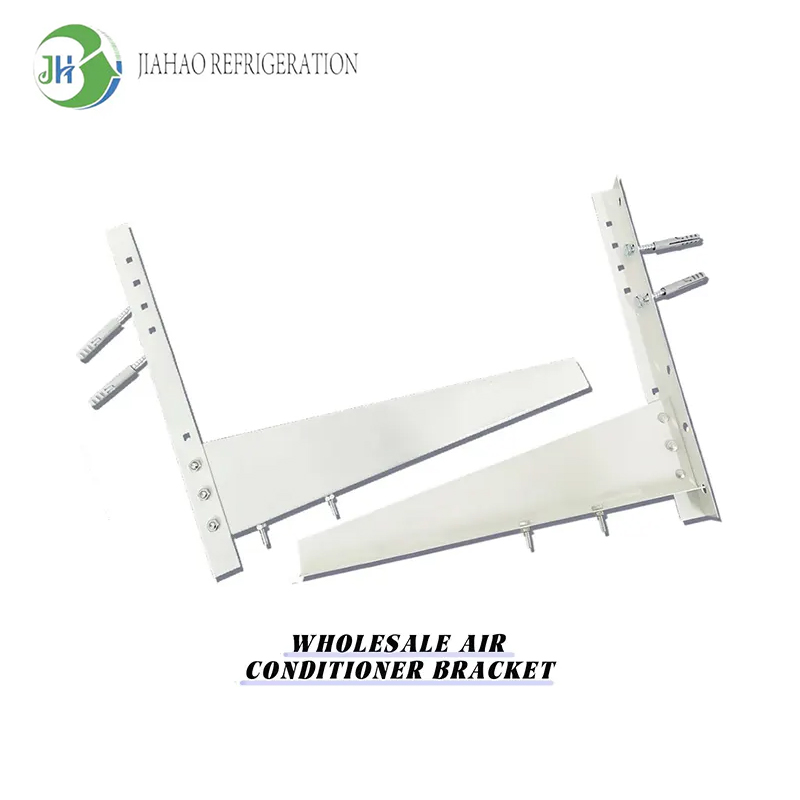 Universal Air Conditioner Outdoor Unit Support Bracket
Item Name: JH-101 (Hot sale)Material: Hot rolled plate (can customize)Size: (can...
Read More
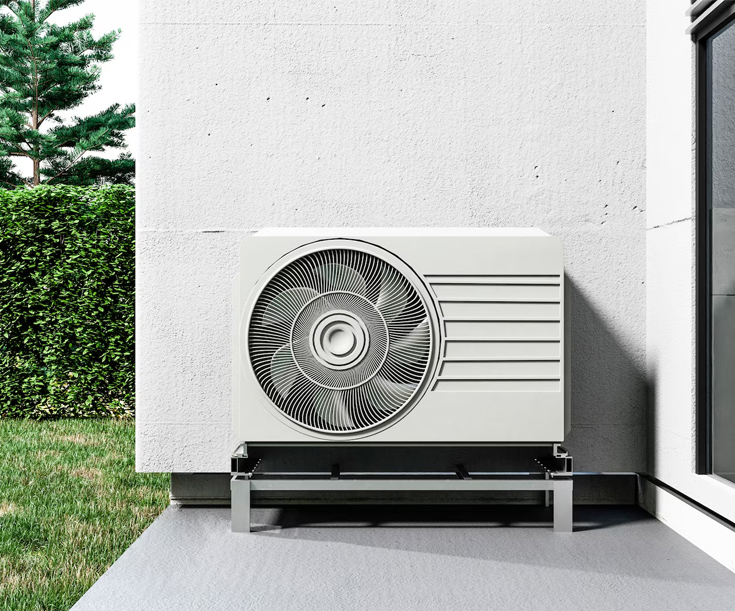
Key Performance Indicators
Adjustment Function Many ac outdoor bracket models include adjustable foot pads (5–15 cm height range) to accommodate uneven surfaces. This allows installers to level the outdoor unit precisely, keeping the horizontal error within 2 mm for optimal performance and safety.
Anti-Slip Design The top plate of a reliable bracket for ac outdoor unit should feature anti-slip patterns or rubber pads. This prevents the unit from shifting during operation, especially in high-vibration conditions, enhancing safety and reducing noise.
Installation and Purchase Points
 Size SelectionWhen selecting an ac outdoor bracket, ensure its length and width are 5–10 cm larger than the unit’s base dimensions. For instance, a unit measuring 70×50 cm pairs best with a 75×55 cm air conditioner outdoor unit bracket to prevent overhang and ensure full support.
 Load-Bearing CheckAlways verify that the bracket for ac outdoor unit has a load capacity ≥1.2 times the unit’s weight. For a 60 kg outdoor unit, select a bracket rated for at least 72 kg to account for dynamic loads and environmental factors.
 Accessory MatchingA complete ac outdoor bracket package typically includes mounting screws, anti-slip pads, and sometimes a built-in level. Confirm the availability of these accessories to facilitate a smooth and secure installation.
 Installation RequirementsAfter positioning the outdoor unit on the air conditioner outdoor unit bracket, use a level to ensure it is perfectly horizontal. For outdoor installations, proper drainage is essential to avoid water accumulation. We recommend using waterproof pads with stainless steel or galvanized bases for extended durability.
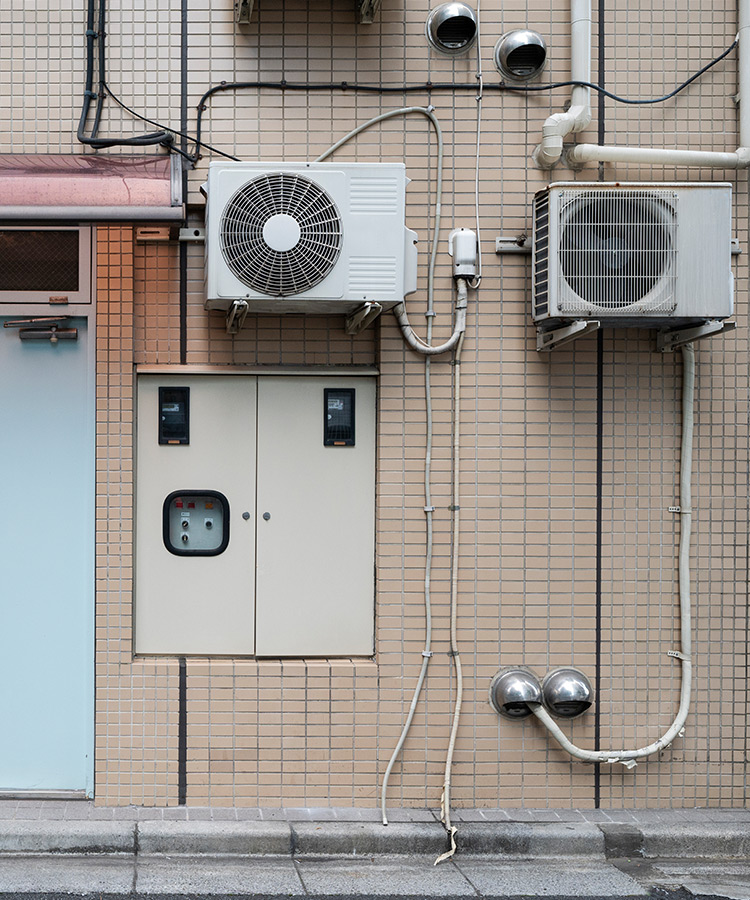
Customize cooling solutions to meet your every need.
We have established a professional engineering and technology R&D center equipped with over 10 automated production lines to ensure efficient production.
Simply share your ideas with us.
Air Conditioner Outdoor Unit Bracket from Jiahao
As a professional AC outdoor bracket manufacturer, we specialize in the professional design, research, development, manufacturing, and comprehensive sales service of refrigeration solutions.
With a workforce of over 120 skilled employees, we operate 6 workshops spanning 25,000 square meters, equipped with more than 10 automated production lines for efficient output.
 High-quality products with a 3-year warranty and triple compensation for any failure.
 High cost-performance ratio, competitive pricing among products of similar quality.Strong product expertise, market and application understanding, and expert advice.Short delivery time: 20-30 days for custom products and 7-15 days for in-stock products.Customized packaging, free design available.Product certificates, complete test reports, and over 50 invention and technology patents.Payment method: T/T (30%), pre-shipment payment accepted for long-term customers.
 For Brand Owners• Precise alignment and implementation of your brand philosophy
• Dedicated specialist for full-process production progress monitoring
• Regular progress reports for complete information transparency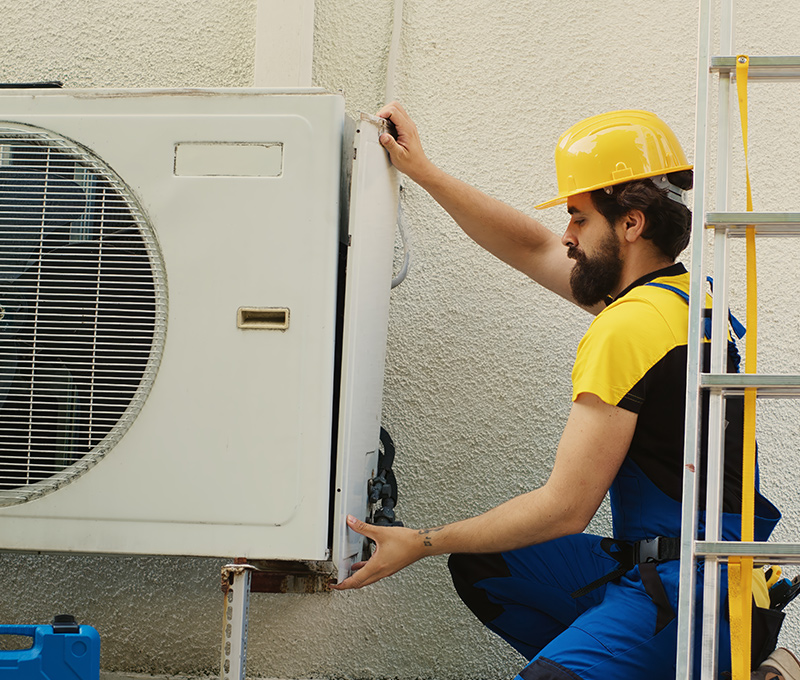 For Large Installers• Real-time synchronization of project information and progress
• Customized support lists and services based on project needs
• One-stop comprehensive solutions For Distributors• Timely inventory preparation to facilitate your market expansion
• Flexible price adjustments + dual guarantees on production capacity and quality
• Efficient handling of customer issues and reliable after-sales service For Online and Offline Stores• Set target periods; enjoy bulk discounts when order volume targets are met
• Recommendations for popular products to support bundled sales
• Selected freight forwarder partnerships to reduce logistics costs For Amazon e-commerce• Advance preparation of required materials to save your time
• Custom carton production based on your confirmed packaging dimensions For Non-target Customers• No proactive outreach; only responsive service
• Quick connection + efficient deal closure; no delays
Cooperation Process

Inquiry

Confirm
Details

Contract
Signing

Order
Production

Quality
Inspection

Safety
Inspection

Package

Shipment

Arrival

Aftermarket Support
Technical Support
FAQ
What are the common materials of home air - conditioner connecting pipes?
The main materials include copper pipes, aluminum pipes, and copper - aluminum connecting pipes. Among them, copper pipes are the mainstream choice due to their optimal corrosion resistance, thermal conductivity, and stability.
Which is better, copper - aluminum connecting pipes or pure copper pipes?
Pure copper pipes have better comprehensive performance, with good aging resistance and being less likely to leak refrigerant, suitable for long - term use; copper - aluminum pipes have lower costs, but the joints are prone to oxidation due to material differences. Good sealing protection is required, and they are more suitable for short - term scenarios or when the budget is limited.
Does the length of the connecting pipe affect the air - conditioning effect?
Yes, it does. Excessive length will lead to increased refrigerant loss and reduced cooling/heating efficiency. Generally, it is recommended not to exceed the maximum allowed length marked by the manufacturer (usually 10 - 15 meters). If exceeded, professional personnel need to adjust the refrigerant amount.
Do connecting pipes need thermal insulation?
Thermal insulation is necessary. Without thermal insulation, cold/heat loss will occur (affecting efficiency), and it may also produce condensed water to damage walls or furniture. Special thermal insulation cotton should be used for wrapping, and the joints should be sealed tightly.
What should be done if the connecting pipe leaks refrigerant?
First, turn off the air - conditioner and contact professional maintenance personnel to detect the leakage point (usually at joints, bends). Replace the damaged pipe section or re - weld and seal. After repair, it is necessary to refill with refrigerant that meets the specifications.
Can connecting pipes be bent during installation?
Moderate bending is allowed, but excessive bending or forming a dead bend should be avoided, otherwise it will lead to pipe blockage and poor refrigerant circulation. The recommended bending radius should not be less than 5 times the diameter of the pipe.
How often does the connecting pipe need to be replaced?
If properly maintained (no corrosion, no leakage), pure copper pipes can be used for 10 - 15 years; the service life of aluminum pipes or copper - aluminum pipes is relatively short. Generally, inspection is required every 5 - 8 years, and they should be replaced in a timely manner when oxidation, bulging, or leakage occurs.
Will the exposed part of the connecting pipe be damaged in rainy days?
Pure copper pipes used outdoors need to be properly rust - proof (such as painting with anti - rust paint). Aluminum pipes are prone to oxidation and corrosion by rainwater. It is recommended to additionally wrap the exposed section with a waterproof and thermal insulation layer, or try to avoid the connecting pipe being exposed outdoors for a long time.


