How To Install Bracket For Air Conditioner Safely: A Complete Guide!
 Jan 19, 2026|
 View:103
Installing an air conditioner outdoor unit bracket might seem straightforward, but proper installation is critical for system safety, efficiency, and longevity. Whether homeowners are tackling a DIY project or professionals are seeking to refine their installation techniques, understanding the correct procedures for mounting an AC outdoor bracket ensures optimal performance and prevents costly failures. This comprehensive guide walks readers through every step of the installation process, from selecting the right bracket to final system testing.
Key Takeaways
Proper bracket selection based on unit weight and installation location prevents structural failures
Wall-mounted brackets require solid structural support with appropriate anchoring hardware
Floor-standing brackets need level surfaces and adequate vibration dampening
Correct installation reduces noise, extends equipment life, and maintains warranty coverage
Safety regulations and local building codes must be followed for compliant installations
Understanding Air Conditioner Bracket Types and Selection
Before beginning installation, selecting the appropriate air conditioner bracket is essential. Different mounting situations require specific bracket designs to ensure safe and effective support for outdoor units.
Wall-Mounted AC Outdoor Brackets
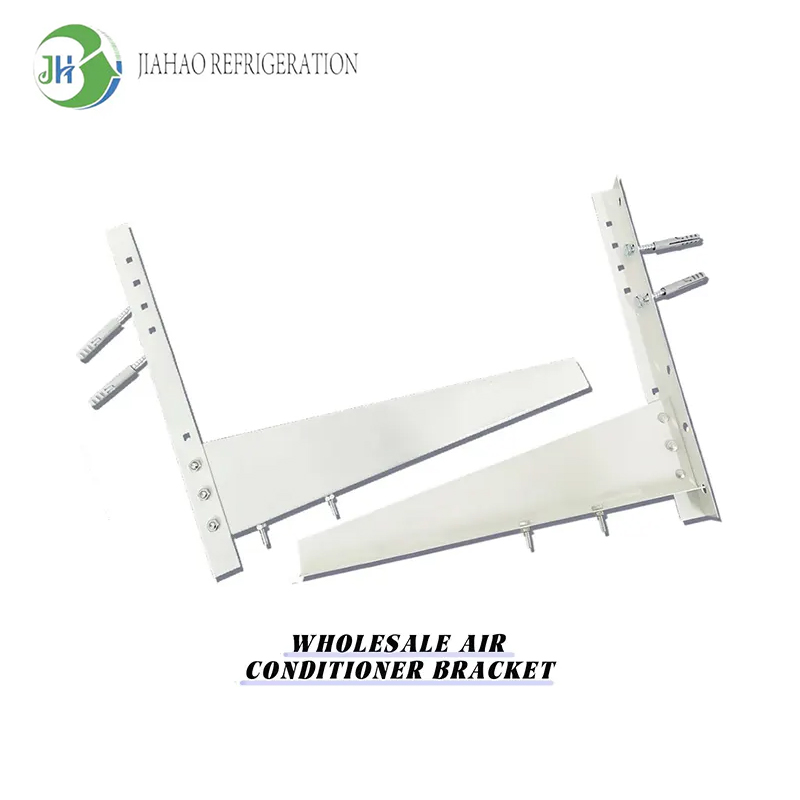
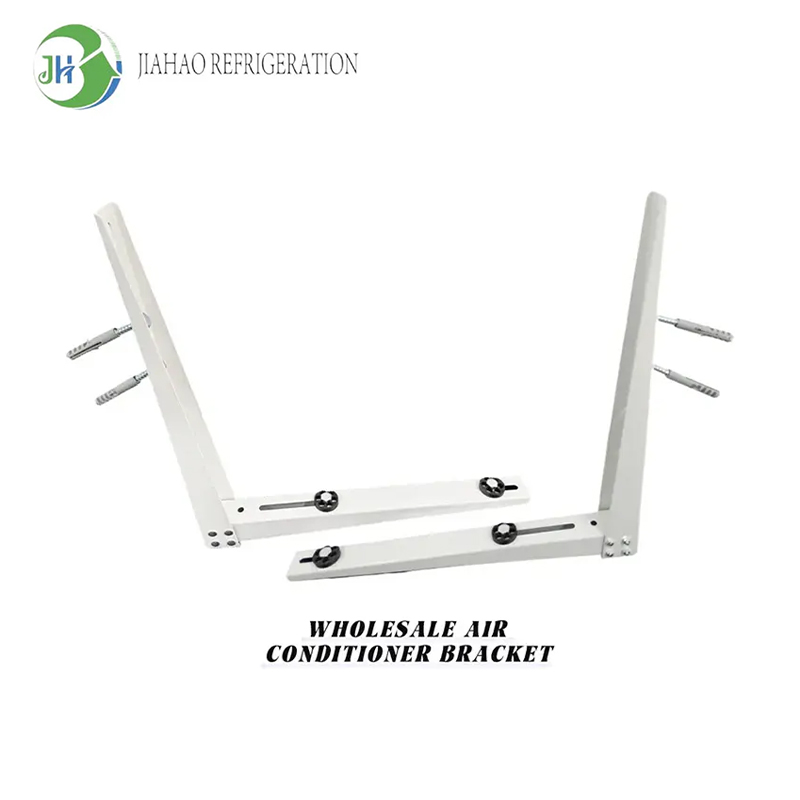
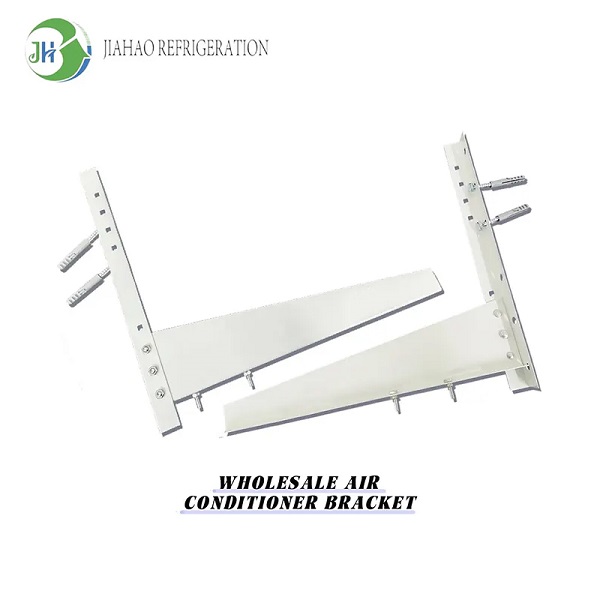
Wall-mounted brackets attach directly to exterior walls and are commonly used in residential installations where ground space is limited. These brackets typically feature L-shaped or triangular designs made from galvanized steel or stainless steel materials. The structural integrity of the wall determines whether this option is viable—solid brick, concrete, or reinforced walls can support outdoor units weighing 55-125 kg (120-275 pounds), while lightweight or hollow walls may require additional reinforcement or alternative mounting solutions.
Quality wall brackets include multiple mounting points (typically 4-6 anchor locations) to distribute weight evenly across the wall surface. According to Department of Energy guidelines, proper wall mounting prevents vibration transfer that can damage both the unit and building structure while reducing operational noise significantly.
Floor-Standing Bracket Options
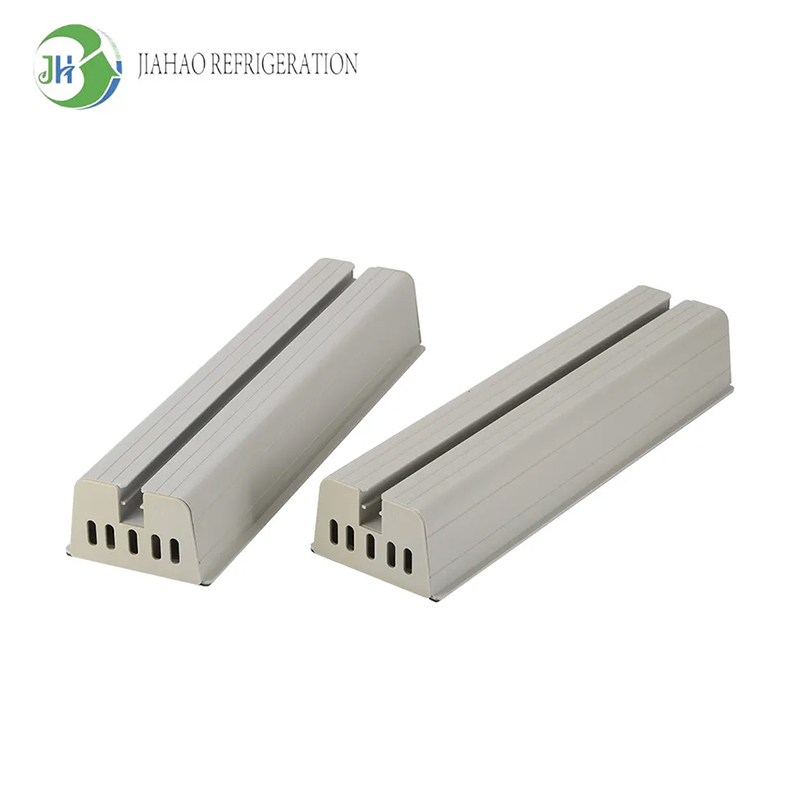
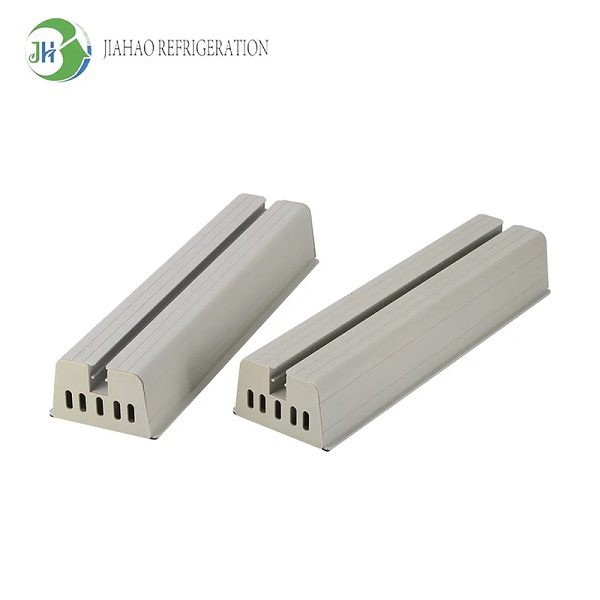
Floor-standing brackets, also called base stands or condenser pads, rest directly on ground surfaces and support the outdoor unit from below. These brackets suit installations on concrete pads, rooftops, or balconies where wall mounting is impractical. Available in plastic composite or metal construction, floor brackets elevate the unit 10-20 cm above ground level to prevent water damage and improve airflow around the condenser coils.
Modern floor-standing designs incorporate adjustable feet to compensate for uneven surfaces, ensuring the outdoor unit remains perfectly level. This levelness is crucial—units tilted more than 2 degrees experience reduced efficiency and potential compressor damage over time.
Window and Specialized Mounting Brackets
Window-mounted brackets serve compact outdoor units installed adjacent to window openings, particularly common in urban apartments with limited exterior access. These specialized brackets combine features of both wall and floor mounts, with extensions that reach from window frames to provide stable support platforms.
Specialized brackets also exist for challenging installations such as sloped roofs, narrow ledges, or locations requiring extended reach from building surfaces. These advanced mounting solutions require professional assessment to ensure proper load distribution and structural safety.
| Bracket Type | Load Capacity | Ideal Application | Installation Difficulty |
|---|---|---|---|
| Stainless Steel Wall Bracket | 100-200 kg | Solid exterior walls, residential units | Moderate |
| Galvanized Floor Stand | 80-150 kg | Ground level, balconies, rooftops | Easy |
| Plastic Composite Base | 50-100 kg | Smaller units, sheltered locations | Easy |
| Window Extension Bracket | 60-120 kg | Window-adjacent installations | Moderate to Difficult |
Pre-Installation Planning and Preparation
Successful bracket installation begins with thorough planning. Rushing this phase often leads to complications during mounting or future performance issues with the air conditioning system.
Assessing Installation Location Requirements
The outdoor unit location significantly impacts system efficiency and longevity. Ideal placement provides easy access for maintenance, adequate airflow around all sides of the unit, protection from direct sunlight and harsh weather, and compliance with local noise ordinances regarding distance from neighbors.
When evaluating wall surfaces, checking for hidden utilities (electrical wiring, plumbing, gas lines) prevents dangerous accidents during drilling. Using a stud finder or electronic detector identifies solid mounting points within walls. For masonry surfaces, tapping the wall helps locate hollow sections versus solid areas suitable for anchor placement.
Ground installations require flat, stable surfaces capable of supporting the combined weight of the bracket and outdoor unit. Soft soil, grass, or gravel necessitates a concrete pad installation before bracket placement. The pad should extend at least 5 cm beyond the bracket dimensions on all sides to provide stable support.
Gathering Necessary Tools and Materials
Professional-quality installation requires appropriate tools and materials. Essential items include a power drill with masonry bits (for concrete/brick) or wood bits (for frame walls), socket wrench set, level (at least 60 cm long), measuring tape, marker or chalk, safety goggles and gloves, and ladder or scaffolding for elevated installations.
Hardware requirements vary by bracket type but typically include expansion anchors or concrete screws for masonry walls, lag bolts for wood frame walls, stainless steel washers and nuts, and rubber vibration dampening pads. Always verify that anchors and bolts match the bracket's mounting holes and provide adequate load capacity—using undersized hardware represents a common installation mistake that compromises safety.
Understanding Safety Regulations and Building Codes
Local building codes govern outdoor unit installations to ensure public safety and prevent property damage. Regulations typically address minimum clearances from property lines (often 1.5-3 meters), height restrictions for wall-mounted units, structural support requirements, and noise level limitations.
Some jurisdictions require permits for outdoor unit installations, particularly for units mounted on exterior walls visible from public spaces. Contacting local building departments before installation prevents costly corrections and potential fines. Professional installers should maintain current knowledge of relevant codes as outlined by organizations such as the American Society of Heating, Refrigerating and Air-Conditioning Engineers.
Step-by-Step Wall Bracket Installation Process
Wall-mounted brackets require precise installation to ensure long-term reliability and safety. Following these detailed steps helps achieve professional results.
Marking and Measuring Mounting Points
Begin by determining the exact installation height. Outdoor units should sit at least 30 cm above ground level to prevent water damage during heavy rain or snow. Using the bracket as a template, hold it against the wall at the desired height and mark the center point with a pencil.
Position a level horizontally through the center mark to ensure the bracket will mount perfectly level. Mark the locations of all mounting holes, checking that they align with solid wall sections. For multi-bracket installations supporting larger units, measure the distance between brackets carefully—this spacing must match the mounting points on the outdoor unit base exactly.
Double-check all measurements before drilling. The old carpenter's rule applies: measure twice, drill once. Incorrect hole placement wastes time and leaves unsightly damage on building exteriors.
Drilling and Installing Wall Anchors
Select drill bits matching the anchor size specified by the bracket manufacturer. For concrete or brick walls, use carbide-tipped masonry bits and a hammer drill setting. Drill holes to the depth specified for the anchors—typically 60-80 mm for heavy-duty installations.
After drilling, clear debris from holes using a vacuum or compressed air. Insert expansion anchors firmly into each hole, tapping them flush with the wall surface using a hammer. For toggle bolts in hollow walls, follow manufacturer instructions for proper installation—these require drilling slightly larger holes to accommodate the toggle mechanism.
When installing anchors, ensure each sits straight and fully seated. Crooked or protruding anchors prevent brackets from mounting flat against walls, creating stress points that can lead to failure.
Securing the Bracket to the Wall
Position the bracket over the installed anchors, aligning all mounting holes. Insert bolts through the bracket holes into the anchors, starting threads by hand to prevent cross-threading. Place washers between bolt heads and the bracket to distribute clamping force evenly.
Tighten bolts gradually in a cross pattern—similar to tightening wheel lugs on vehicles. This technique ensures even pressure distribution and prevents bracket warping. Use a torque wrench if available, following manufacturer specifications for proper bolt tension. Over-tightening can damage anchors or crack masonry, while under-tightening allows dangerous movement.
After initial tightening, place a level on the bracket's horizontal surface to verify it remains level. Make minor adjustments if necessary before final tightening. The bracket should feel absolutely solid with no movement when firmly grasped and shaken.
Adding Vibration Dampening Components
Professional installations include rubber or neoprene vibration pads between the bracket and outdoor unit. These pads absorb operational vibrations that would otherwise transfer to building structures, reducing noise transmission and preventing bracket loosening over time.
Cut pads to fit the bracket's top surface, ensuring they cover all contact points where the outdoor unit will rest. Some brackets include integrated rubber padding, but adding supplementary pads improves performance. Secure pads with weatherproof adhesive to prevent shifting during unit placement.
Floor-Standing Bracket Installation Techniques
Floor-standing brackets offer simpler installation than wall-mounted versions but still require attention to detail for optimal performance.
Preparing the Ground Surface
The foundation for a floor bracket must be solid, level, and stable. Concrete pads represent the ideal base, providing durability and preventing settling. For new installations requiring concrete, pour a pad at least 10 cm thick extending 5-8 cm beyond the bracket footprint on all sides.
Allow concrete to cure for at least 7 days before placing brackets and outdoor units. Premature loading can crack the pad and create an unstable base. Existing concrete surfaces should be inspected for cracks or deterioration—repair any damage before proceeding with installation.
For rooftop installations, verify that the roof structure can support the combined weight of the bracket, outdoor unit, and snow load (in applicable climates). Consult structural engineers for rooftop installations on older buildings or when units exceed 100 kg.
Positioning and Leveling the Bracket
Place the floor bracket in its designated location, positioning it to provide adequate clearance on all sides of the outdoor unit. Minimum clearance recommendations suggest 30 cm on the sides and rear, with 45 cm in front of the unit for proper airflow and service access.
Use a level to check the bracket surface in both directions (side-to-side and front-to-back). Most floor brackets include adjustable feet that compensate for minor surface irregularities. Turn adjustment screws clockwise to raise specific corners, bringing the bracket to perfect level.
For brackets without adjustable feet, use weatherproof shims to level the base. Place shims under low corners, checking level frequently until the bracket sits perfectly horizontal. Once level, mark the shim positions with paint or marker to maintain placement during unit installation.
Securing Floor Brackets (When Applicable)
While many floor brackets rely on weight alone to remain stationary, permanently securing them to concrete surfaces provides extra stability in high-wind areas or on rooftops. Use concrete anchors appropriate for outdoor exposure, drilling through pre-existing holes in the bracket corners.
For rooftop installations, special waterproof mounting systems prevent water infiltration through anchor points. These systems include rubber washers, sealant, and raised mounting plates that direct water away from penetrations. Never compromise roof waterproofing—leaks cause far more damage than improperly secured brackets.
Mounting the Outdoor Unit on the Bracket
With brackets properly installed, mounting the outdoor unit requires careful handling and final adjustments to ensure optimal system performance.
Safely Lifting and Positioning the Unit
Outdoor air conditioning units typically weigh 55-125 kg (120-275 pounds) depending on capacity, making them challenging for single-person handling. Use proper lifting techniques with assistance from at least one other person—bend at the knees, keep the back straight, and lift with leg muscles rather than back muscles.
For units weighing over 70 kg or installations at height, consider using mechanical lifting equipment such as hoists, pulleys, or scaffolding platforms. The cost of rental equipment is minimal compared to potential injury from improper lifting or equipment damage from dropping.
When positioning the unit on the bracket, lower it gently onto the mounting surface. Align the unit's base mounting holes with bracket mounting points if applicable. Some brackets include guide rails or positioning pins that help align units correctly—take advantage of these features for precise placement.
Securing the Unit to the Bracket
Most outdoor units include mounting feet with holes for securing to brackets using bolts. Insert mounting bolts through the unit feet and bracket mounting holes, adding washers to distribute clamping force. Tighten bolts hand-tight initially, then use a wrench to achieve firm tension without over-tightening.
Some installations use anti-theft bolts with special heads requiring unique tools for removal—these deter casual theft in accessible locations. While not necessary for all installations, consider this security enhancement for ground-level units in high-crime areas.
Final Leveling and Alignment Check
After securing the outdoor unit, perform a final level check using a quality level placed on the unit's top surface. The unit should be level in both directions within 1-2 degrees. Slight deviations won't immediately damage the compressor, but maintaining perfect level ensures optimal oil return and maximizes equipment lifespan.
If the unit isn't level after mounting, loosen mounting bolts and adjust the bracket or add shims as needed. Never compensate for an unlevel bracket by tilting the outdoor unit—this creates uneven weight distribution and can lead to bracket failure.
Post-Installation Inspection and Testing
Completing the physical installation doesn't end the process. Thorough inspection and testing confirm that everything functions correctly and safely.
Checking Structural Integrity
Inspect all mounting points, verifying that bolts are tight and anchors show no signs of pulling out from walls or concrete. Gently rock the outdoor unit to test for any movement—properly installed units should feel absolutely solid with zero play.
Examine the bracket for signs of stress such as bending, cracking, or deformation. These issues indicate inadequate bracket capacity for the unit weight or improper installation techniques. Address any concerns immediately before connecting refrigerant lines and powering the system.
Verifying Proper Clearances and Airflow
Measure clearances around all sides of the outdoor unit, confirming they meet or exceed manufacturer specifications. Inadequate clearance restricts airflow, reducing efficiency and potentially causing premature component failure. Trim vegetation or remove obstacles that encroach on required clearance zones.
Check that the condenser fan can rotate freely without obstruction. Spin the fan blade by hand (with power disconnected) to verify smooth rotation. Any rubbing or resistance indicates misalignment that requires correction.
Testing System Operation
After completing refrigerant line connections and electrical hookup (performed by qualified technicians), test the system operation. Listen for unusual noises during startup and operation—excessive vibration noise suggests inadequate vibration dampening or loose mounting bolts.
Monitor the outdoor unit during the first hour of operation. The unit should remain stable without any noticeable movement or vibration. Temperature sensors verify proper refrigerant flow and heat exchange—outdoor coils should feel warm (in cooling mode) indicating proper system operation.
Common Installation Mistakes to Avoid
Understanding frequent installation errors helps prevent problems that compromise performance and safety.
Inadequate Bracket Load Capacity
Using brackets rated below the outdoor unit weight represents a dangerous shortcut. Always select brackets with load ratings exceeding the unit weight by at least 20-30%. This safety margin accounts for dynamic loads from wind, vibration, and potential snow accumulation in colder climates.
Insufficient Anchoring Hardware
Using undersized or incorrect anchors leads to gradual loosening and eventual bracket failure. Match anchor specifications to wall materials and expected loads. For critical installations, consult structural engineers to determine appropriate fastener requirements.
Neglecting Vibration Dampening
Skipping vibration pads increases noise transmission and accelerates bracket wear. The minor cost of rubber dampening pads provides significant long-term benefits. Quality installations always include vibration isolation components.
Improper Leveling
Installing outdoor units off-level affects compressor oil return and can void manufacturer warranties. Take time to achieve perfect level using quality leveling tools. Re-check level after fully securing the unit, as bolt tightening can shift positions slightly.
| Installation Mistake | Consequence | Prevention Method |
|---|---|---|
| Undersized bracket | Structural failure, unit damage | Select brackets rated 20-30% above unit weight |
| Weak wall anchors | Bracket loosening, safety hazard | Use anchors matching wall material and load requirements |
| Missing vibration pads | Excessive noise, accelerated wear | Always install rubber dampening between bracket and unit |
| Unit not level | Reduced efficiency, warranty void | Use quality level tool, adjust until perfectly level |
| Insufficient clearance | Restricted airflow, reduced performance | Follow manufacturer clearance specifications strictly |
Maintenance Considerations for Installed Brackets
Proper bracket maintenance ensures long-term reliability and prevents unexpected failures that could damage expensive equipment.
Regular Inspection Schedule
Inspect brackets and mounting hardware at least twice annually—ideally before and after peak cooling seasons. Check for rust or corrosion on metal components, loose or missing bolts, cracks in welds or structural members, and deterioration of vibration dampening pads.
Wall-mounted brackets require special attention to anchor points. Look for cracks in masonry around anchors or water damage that could weaken wall integrity. Address any concerns immediately to prevent catastrophic bracket failure.
Preventive Maintenance Tasks
Apply rust-preventive coating to metal brackets in coastal or high-humidity environments. Clean debris and vegetation from around floor-standing brackets to prevent moisture accumulation. Tighten any bolts that have loosened due to thermal cycling or vibration, checking torque specifications for proper tension.
Replace deteriorated vibration pads every 3-5 years or when visible cracking occurs. Fresh pads maintain optimal vibration isolation and prevent noise transmission. When replacing pads, take the opportunity to re-level the outdoor unit and verify all mounting hardware remains secure.
Professional vs. DIY Installation Considerations
While many homeowners successfully install brackets themselves, certain situations warrant professional installation services.
When to Consider Professional Installation
Professional installation makes sense for installations requiring specialized equipment (scaffolding, hoists), work on questionable wall structures or older buildings, rooftop installations requiring structural engineering assessment, and units exceeding 100 kg weight.
Professional installers carry liability insurance protecting property owners from installation accidents. They also understand local building codes and permit requirements, ensuring compliant installations that pass inspections. For first-time installations or complex situations, professional expertise provides peace of mind worth the additional cost.
DIY Installation Success Factors
Successful DIY installations require basic construction skills including accurate measuring and marking, power tool operation experience, ability to work safely at heights, and understanding of structural principles. Homeowners comfortable with these skills can successfully install brackets by following manufacturer instructions carefully and not rushing the process.
Research local code requirements before starting DIY installations. Some jurisdictions prohibit homeowner installations of outdoor units, requiring licensed HVAC contractors for all work. Verify regulations to avoid code violations and potential fines.
Selecting Quality Brackets for Long-Term Performance
Bracket quality directly impacts installation longevity and system reliability. Investing in quality components prevents premature failures and costly replacements.
Material Quality Indicators
Premium brackets feature thick-gauge steel (2-3 mm minimum) with complete corrosion protection through galvanization or powder coating. Stainless steel brackets provide superior corrosion resistance in coastal environments where salt exposure accelerates rust formation. Welded construction proves stronger than bolted assemblies, particularly for wall-mounted applications bearing significant loads.
Examine bracket construction carefully before purchasing. Quality manufacturers provide detailed load ratings, material specifications, and installation instructions. Avoid generic brackets lacking documentation—these often use substandard materials and may fail under actual operating conditions.
Certification and Standards Compliance
Reputable bracket manufacturers obtain third-party testing and certification verifying their products meet recognized safety standards. Look for certifications indicating compliance with international standards such as ISO 9001 quality management and relevant regional building codes.
For professional installers and contractors seeking reliable bracket sources, companies specializing in HVAC components offer engineered products backed by technical support and warranty coverage. These manufacturers understand the specific demands of air conditioning installations and design brackets accordingly.
Conclusion: Achieving Professional Installation Results
Installing an air conditioner bracket correctly ensures safe, quiet, and efficient system operation for years to come. Whether choosing wall-mounted or floor-standing designs, following proper installation procedures prevents the common mistakes that lead to noise complaints, equipment damage, and safety hazards.
The key elements of successful installation include selecting brackets with adequate load capacity for the specific outdoor unit, using appropriate mounting hardware matched to wall materials and structural conditions, achieving perfect level orientation for optimal compressor performance, incorporating vibration dampening to reduce noise and wear, and verifying all connections remain secure through regular inspection.
While DIY installation suits many residential applications, complex situations benefit from professional expertise. Regardless of who performs the installation, using quality components from reputable manufacturers provides the foundation for reliable long-term performance.
For those seeking quality air conditioner brackets engineered for residential and commercial applications, manufacturers specializing in HVAC components offer comprehensive product lines with proper certifications and technical support. Quality brackets represent a minor investment that protects much more expensive air conditioning equipment while ensuring safe and compliant installations.
Frequently Asked Questions
What weight capacity bracket do I need for my outdoor unit?
Select brackets rated for at least 1.2-1.5 times your outdoor unit weight. A 70 kg unit requires a bracket rated for 84-105 kg minimum to provide adequate safety margin for dynamic loads and environmental factors.
Can I install a wall bracket on any exterior wall?
Wall brackets require solid structural surfaces such as concrete, brick, or reinforced masonry. Hollow walls, lightweight siding, or deteriorated surfaces need reinforcement or alternative mounting solutions. Always verify wall integrity before installation.
How level does the outdoor unit need to be?
Outdoor units should be level within 1-2 degrees in both directions. Greater deviation can affect compressor oil return and may void manufacturer warranties. Use a quality level during installation to achieve proper orientation.
Do I need vibration pads under my outdoor unit?
Vibration dampening pads significantly reduce noise transmission and prevent bracket loosening over time. Professional installations always include rubber or neoprene pads between brackets and outdoor units for optimal performance.
How often should I inspect my bracket installation?
Inspect brackets twice annually, preferably before and after cooling seasons. Check for rust, loose bolts, deteriorated vibration pads, and any signs of structural stress. Address issues immediately to prevent equipment damage.
What clearances are required around the outdoor unit?
Minimum clearances typically include 30 cm on sides and rear, 45 cm in front for service access. Always follow manufacturer specifications as requirements vary by model. Adequate clearance ensures proper airflow and system efficiency.
Can I reuse brackets when replacing my outdoor unit?
Reuse brackets only if they remain structurally sound, show no corrosion or damage, and have adequate load capacity for the new unit. Inspect mounting hardware carefully and replace any questionable components before installing new equipment.
Do I need a permit to install an outdoor unit bracket?
Permit requirements vary by jurisdiction. Many localities require permits for exterior wall-mounted installations or units visible from public spaces. Contact local building departments before installation to ensure compliance with regulations.