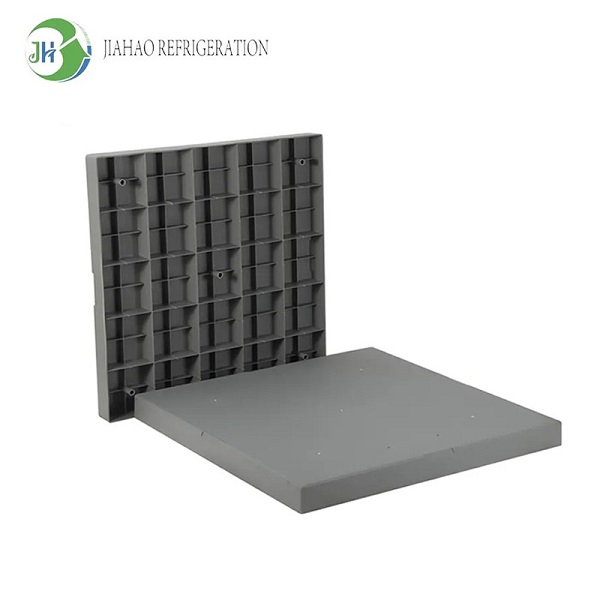
Complete HVAC Condenser Pad Installation Guide: Step-by-Step Instructions
Dec 06, 2025|
View:279Installing an air conditioner condenser pad correctly ensures system longevity, operational efficiency, and protection against environmental damage. This comprehensive guide walks property owners and HVAC professionals through the entire installation process, from site preparation to final system checks, ensuring optimal performance for years to come.
Key Takeaways
Proper HVAC condenser pad installation prevents settling, vibration, and premature equipment failure
Site preparation with level ground and adequate drainage is critical for long-term stability
PP (polypropylene) condenser pads offer superior durability compared to concrete alternatives
Standard pad sizes include 18"×36", 24"×24", 32"×32", and 36"×36" for various unit capacities
Installation typically requires 2-3 hours for beginners, 1 hour for experienced technicians
Proper placement maintains manufacturer clearance requirements and facilitates maintenance access
Quality pads should support 500+ lbs with minimal deflection under load
Understanding HVAC Condenser Pad Fundamentals
What is an HVAC Condenser Pad?
An HVAC condenser pad serves as the foundation platform for outdoor air conditioning units, heat pumps, and condensing units. These specialized pads distribute equipment weight across a broader surface area, preventing sinking into soil while providing vibration isolation that reduces noise transmission to the building structure.
Modern condenser pads utilize advanced materials engineered for outdoor exposure. PP (polypropylene) construction delivers exceptional resistance to temperature extremes, UV radiation, and chemical exposure from refrigerants or cleaning agents. According to ASHRAE standards, proper equipment mounting is essential for maintaining system efficiency and longevity. Unlike traditional concrete pads that crack and deteriorate, polymer-based designs maintain structural integrity through multiple seasonal cycles.
Why Proper Installation Matters
Incorrect air conditioner condenser pad installation creates multiple performance and safety issues. Units placed on uneven surfaces experience accelerated wear on compressor mountings, potentially leading to refrigerant line failures or compressor damage. Improper drainage causes water accumulation that promotes corrosion and biological growth, reducing equipment lifespan by 30-40% according to HVAC industry studies.
Professional installation ensures manufacturers' warranty requirements are met. Many equipment warranties specify proper pad installation as a condition of coverage. Additionally, the Air Conditioning Contractors of America publishes quality installation standards that emphasize proper equipment mounting and support.

Pre-Installation Planning and Preparation
Selecting the Correct Pad Size
Choosing appropriate dimensions requires matching pad size to equipment specifications. The air conditioner condenser pad should extend 3-6 inches beyond the unit footprint on all sides, providing stability margin and maintenance access. Standard residential units require the following pad sizes:
| Unit Capacity | Recommended Pad Size | Weight Support |
|---|---|---|
| 1.5-2.5 ton systems | 24"×24"×3" | Up to 200 lbs |
| 2.5-3.5 ton systems | 32"×32"×3" | Up to 350 lbs |
| 3.5-5 ton systems | 36"×36"×3" | Up to 500 lbs |
| Commercial units | 18"×36"×3" or custom | Varies by application |
Lightweight PP construction simplifies transportation and positioning. A 36"×36" PP pad weighs approximately 7.8 kg (17.2 lbs), compared to 60-80 lbs for equivalent concrete pads, reducing installation labor requirements significantly.
Site Assessment and Preparation
Proper site evaluation prevents future complications. Technicians should examine several critical factors before beginning installation:
Ground Conditions: Inspect soil composition and drainage patterns. Sandy or loose soil requires compaction or additional base preparation. Clay-heavy soil may need drainage enhancement to prevent water accumulation around the pad.
Clearance Requirements: Verify adequate spacing around the installation location. According to ENERGY STAR guidelines, most manufacturers specify minimum clearances of 24-36 inches on the service side, 12 inches on remaining sides, and 60 inches overhead. These dimensions ensure proper airflow and facilitate maintenance access.
Utility Considerations: Identify underground utilities using locator services before excavation. Mark electrical lines, gas pipes, water mains, and telecommunications cables. Contact local utility companies to request professional marking services—this service is typically provided free of charge.
Level Assessment: Check ground slope using a 4-foot level. Sites with slopes exceeding 1 inch over 4 feet require additional leveling work. Proper leveling prevents equipment stress and ensures drainage away from the building foundation.
Tools and Materials Checklist
Gathering necessary supplies before starting prevents project delays. Standard HVAC condenser pad installation requires:
Essential Tools:
4-foot carpenter's level
Measuring tape (25 feet minimum)
Spade or square shovel
Landscape rake
Hand tamper or plate compactor
Rubber mallet
Safety glasses and work gloves
Materials Required:
Selected size PP condenser pad
Pea gravel or crushed stone (3-5 cubic feet)
Landscape fabric (optional but recommended)
Shims for fine-level adjustment
Stakes and string for layout marking
Step-by-Step Installation Process
Phase 1: Ground Preparation
Proper foundation preparation determines long-term stability. Follow this systematic approach for optimal results:
Step 1: Mark Installation Area
Use stakes and string to outline the pad location, ensuring adequate clearance from walls, fences, and obstacles. Mark a work area 6-12 inches larger than the final pad dimensions to accommodate base preparation.
Step 2: Excavate Installation Site
Remove existing grass, vegetation, and topsoil to a depth of 4-6 inches within the marked area. This excavation creates space for the gravel base and ensures the finished pad sits at or slightly above grade for proper drainage.
Step 3: Create Gravel Base
Pour 3-4 inches of pea gravel or crushed stone into the excavation. Pea gravel provides excellent drainage while crushed stone offers superior compaction. Spread material evenly using a landscape rake.
Step 4: Compact Base Material
Use a hand tamper or plate compactor to consolidate the gravel layer. Proper compaction prevents future settling that would cause equipment misalignment. Make multiple passes in different directions until the surface resists depression when walked upon.
Step 5: Level the Base
Check gravel surface levelness using a 4-foot level in multiple directions. Add or remove material as needed, then recompact. The base should be level within 1/8 inch over the pad dimensions for optimal performance.
Phase 2: Pad Placement and Leveling
With the foundation prepared, proceed to position the air conditioner condenser pad:
Step 1: Position the Pad
Place the PP condenser pad centered on the prepared base. The lightweight construction allows single-person handling for most sizes, though assistance helps ensure precise positioning on first attempt.
Step 2: Check Level in All Directions
Place the 4-foot level across the pad surface, checking front-to-back and side-to-side alignment. Rotate the level to check diagonal measurements as well. The pad should be level within 1/4 inch across its entire surface.
Step 3: Make Fine Adjustments
For minor leveling corrections, lift the pad edge and add or remove small amounts of gravel beneath. For larger adjustments, remove the pad entirely and regrade the base layer. Use shims only as a last resort for minimal adjustments, as they may compress over time.
Step 4: Verify Final Position
Confirm the pad location provides required clearances and aligns with refrigerant line routing. Once positioned correctly, the PP pad's anti-slip surface texture prevents shifting under equipment weight.
Phase 3: Equipment Installation
After pad placement, HVAC system installation proceeds:
Step 1: Inspect Pad Surface
Clean any debris from the pad surface. Examine for shipping damage or defects, though quality PP pads resist cracking and damage during normal handling.
Step 2: Position Condenser Unit
Carefully place the outdoor unit on the pad, centering it to distribute weight evenly. Use lifting straps or equipment dollies for heavier commercial units. Avoid dragging equipment across the pad surface.
Step 3: Verify Equipment Level
Check unit levelness using a short level placed on the equipment cabinet. Most manufacturers specify equipment should be level within 1/4 inch. Minor variations typically don't affect performance, but excessive tilt can cause oil migration issues in the compressor.
Step 4: Secure Connections
Connect refrigerant lines, electrical supply, and condensate drain according to manufacturer specifications. Ensure connections don't place stress on the equipment or create trip hazards around the installation.
Phase 4: Final Inspection and Testing
Complete these verification steps to ensure proper installation:
Drainage Test: Pour water around the pad perimeter and verify it drains away from the equipment and building foundation. Pooling water indicates inadequate base preparation or improper grading requiring correction.
Stability Check: Gently rock the equipment to verify the pad remains stable without shifting or tilting. Properly installed pads should show no movement under normal operating forces.
Clearance Confirmation: Remeasure all clearances to confirm compliance with manufacturer requirements and local codes. Document these measurements for future reference and inspection purposes.
System Operation: Run the HVAC system through a complete cooling cycle, monitoring for unusual vibrations or noises that might indicate installation issues. Properly installed units on quality pads operate quietly with minimal vibration transmission.
Advanced Installation Considerations
Installation on Difficult Terrain
Challenging sites require modified installation approaches:
Sloped Locations: Sites with unavoidable slope require building up the low side to achieve level placement. Create a retaining structure using landscape timbers or concrete blocks filled with compacted gravel. The pad should sit on a level surface even if the surrounding grade slopes.
Soft or Unstable Soil: In areas with poor soil bearing capacity, expand the gravel base to distribute weight over a larger area. Consider using geotextile fabric beneath the gravel to prevent gradual settling into soft substrate materials.
High Water Table Areas: Locations with frequent standing water or high water tables benefit from elevated pad installations. Create a raised platform using additional gravel depth or consider mounting the pad on concrete piers that extend above the water level.
PP vs. Traditional Condenser Pad Materials
Comparative Performance Analysis
Modern PP condenser pads offer multiple advantages over conventional alternatives:
Durability and Lifespan: PP construction resists cracking, spalling, and degradation from freeze-thaw cycles that destroy concrete pads within 5-7 years. Quality PP pads maintain structural integrity for 15-20+ years in harsh climates.
Weight and Handling: A 36"×36" PP pad weighs approximately 7.8 kg compared to 60-80 lbs for equivalent concrete. This 75% weight reduction simplifies transportation, positioning, and installation—particularly valuable for challenging access locations.
Chemical Resistance: PP materials resist corrosion from refrigerants, condensate, cleaning chemicals, and environmental contaminants. Concrete absorbs these substances, leading to structural degradation and potential equipment corrosion from leaching minerals.
Thermal Properties: PP's density of 0.89-0.91 g/cm³ and temperature resistance (-30°C to 110°C operating range, melting point 164-174°C) ensures performance across extreme climate conditions without deformation.
Cost Analysis and Project Timeline
Installation Budget Planning
Understanding project costs helps property owners plan appropriately:
| Cost Category | DIY Installation | Professional Installation |
|---|---|---|
| PP condenser pad | $30-$120 | $30-$120 |
| Gravel and materials | $20-$40 | $20-$40 |
| Tool rental (if needed) | $0-$50 | N/A |
| Labor | $0 | $150-$300 |
| Total Project Cost | $50-$210 | $200-$460 |
Time Investment Expectations
Project duration varies by experience level and site conditions:
Experienced HVAC Professionals: Complete standard installations in 45-75 minutes including site preparation, pad placement, and equipment installation. Difficult terrain or custom applications may require 2-3 hours.
Homeowner DIY Projects: First-time installers should budget 2-4 hours for careful measurement, base preparation, and leveling. The learning curve diminishes substantially for subsequent installations.
Site Preparation: Accounts for 40-60% of total project time. Pre-excavated sites with existing gravel bases reduce installation duration by half or more.
Frequently Asked Questions
What size HVAC condenser pad do I need?
Pad size depends on your unit capacity. Use 24"×24" for 1.5-2.5 ton systems, 32"×32" for 2.5-3.5 ton systems, and 36"×36" for 3.5-5 ton systems. The pad should extend 3-6 inches beyond the unit on all sides.
Can a condenser sit directly on the ground?
No. Ground contact causes corrosion, unlevel positioning as soil settles, reduced airflow, and voids manufacturer warranties. An air conditioner condenser pad is essential for proper installation.
How long do PP condenser pads last?
Quality PP condenser pads typically last 15-20+ years, significantly outperforming concrete alternatives that often fail within 5-7 years due to cracking from freeze-thaw cycles.
What happens if the pad becomes unlevel?
Unlevel equipment causes compressor oil distribution problems, reduced efficiency by 10-15%, and potential refrigerant line stress. Units tilting more than 1/2 inch require releveling to prevent long-term damage.
Can I install an HVAC condenser pad myself?
Yes. Homeowners with basic DIY skills can install the pad using standard tools. The process involves excavation, gravel base preparation, and leveling. However, equipment connection requires licensed HVAC professionals.
How much clearance is needed around the condenser?
Standard requirements specify 24-36 inches on the service side, 12-18 inches on other sides, and 60 inches overhead clearance. Always verify specific manufacturer requirements as they vary by model.
Why choose PP over concrete pads?
PP pads weigh 75% less (7.8 kg vs 60-80 lbs for 36"×36"), resist cracking and chemical damage, last 3x longer, and maintain stability in freeze-thaw cycles. They're also easier to transport and install.
When should I avoid pad installation?
Avoid installation during wet conditions or when rain is forecast within 24 hours. Moisture prevents proper gravel compaction. Frozen ground makes excavation extremely difficult and prevents adequate base preparation.
Conclusion: Ensuring Long-Term HVAC Performance
Proper HVAC condenser pad installation forms the foundation for reliable, efficient system operation throughout equipment lifespan. Following systematic preparation procedures, maintaining level installation standards, and using quality materials like PP construction protects significant HVAC investments while preventing costly repairs or premature replacement.
Whether performing DIY installation or hiring professionals, understanding these fundamentals ensures projects meet manufacturer specifications and building code requirements. For property owners seeking reliable HVAC condenser pad suppliers committed to quality and performance, JIAHAO manufactures premium PP condenser pads engineered for durability, ease of installation, and long-term reliability. With multiple standard sizes (18"×36", 24"×24", 32"×32", 36"×36"), excellent load-bearing capacity, and superior weather resistance, JIAHAO products provide the solid foundation modern HVAC systems require for optimal performance in any climate condition.